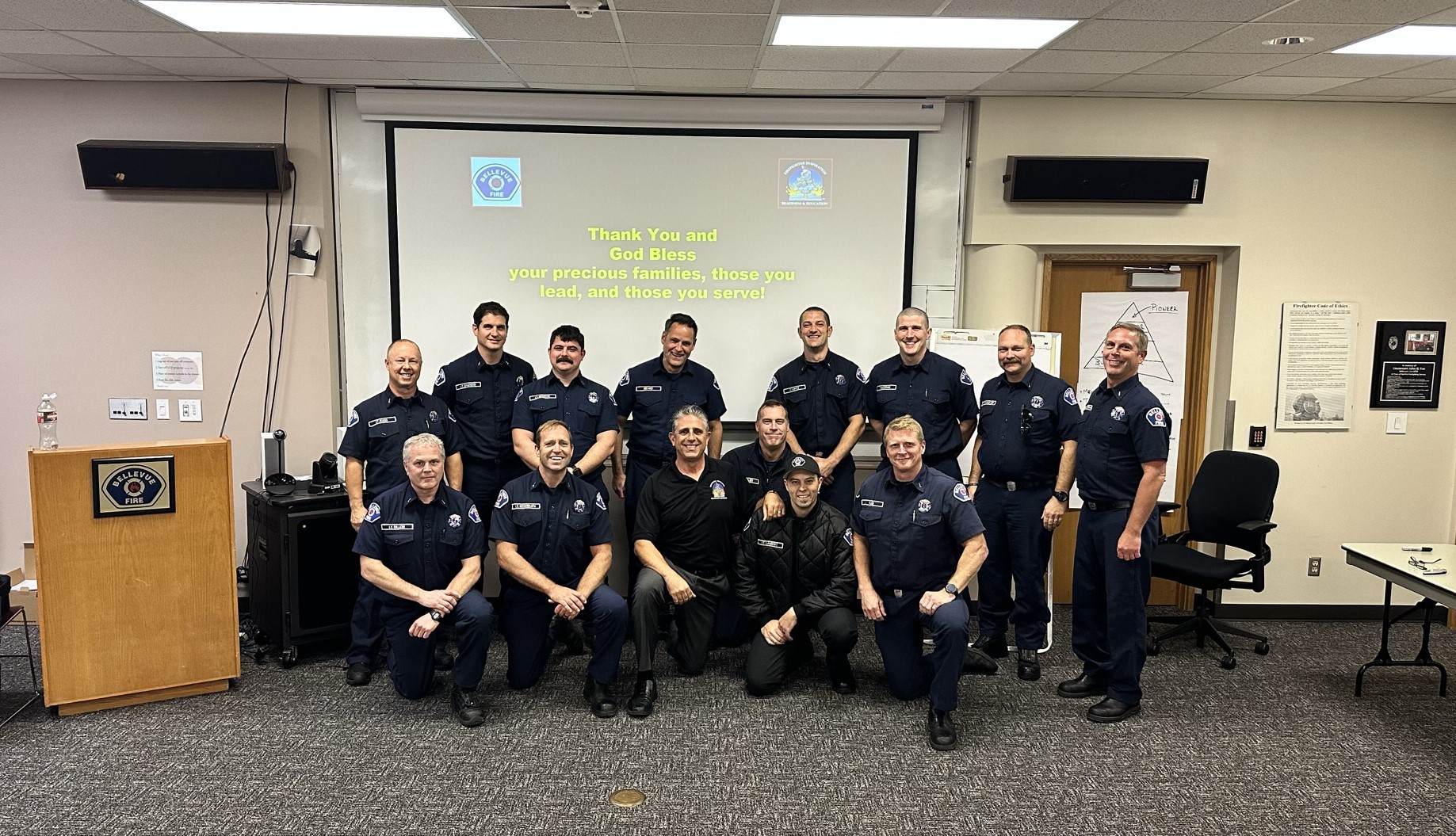
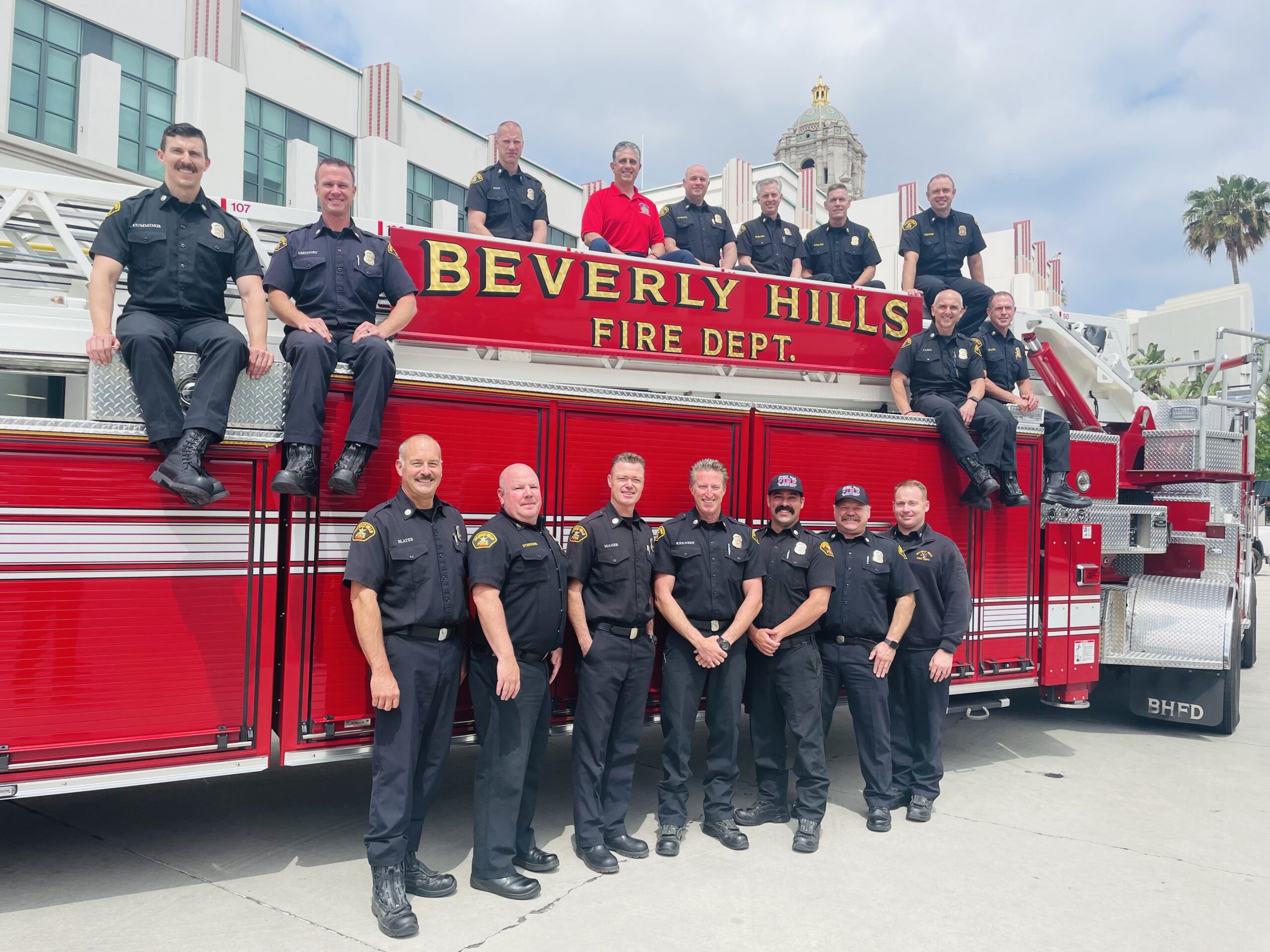
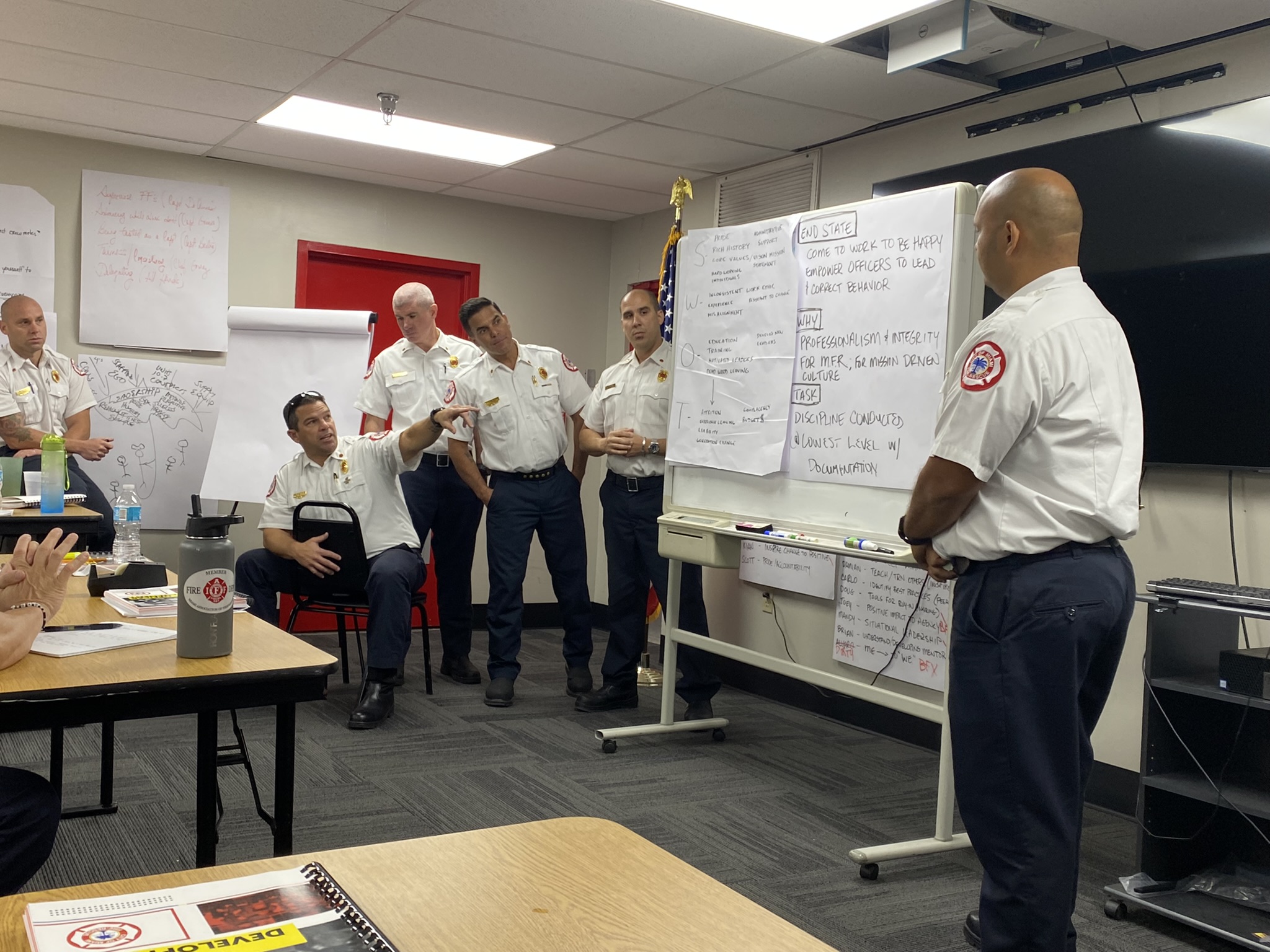
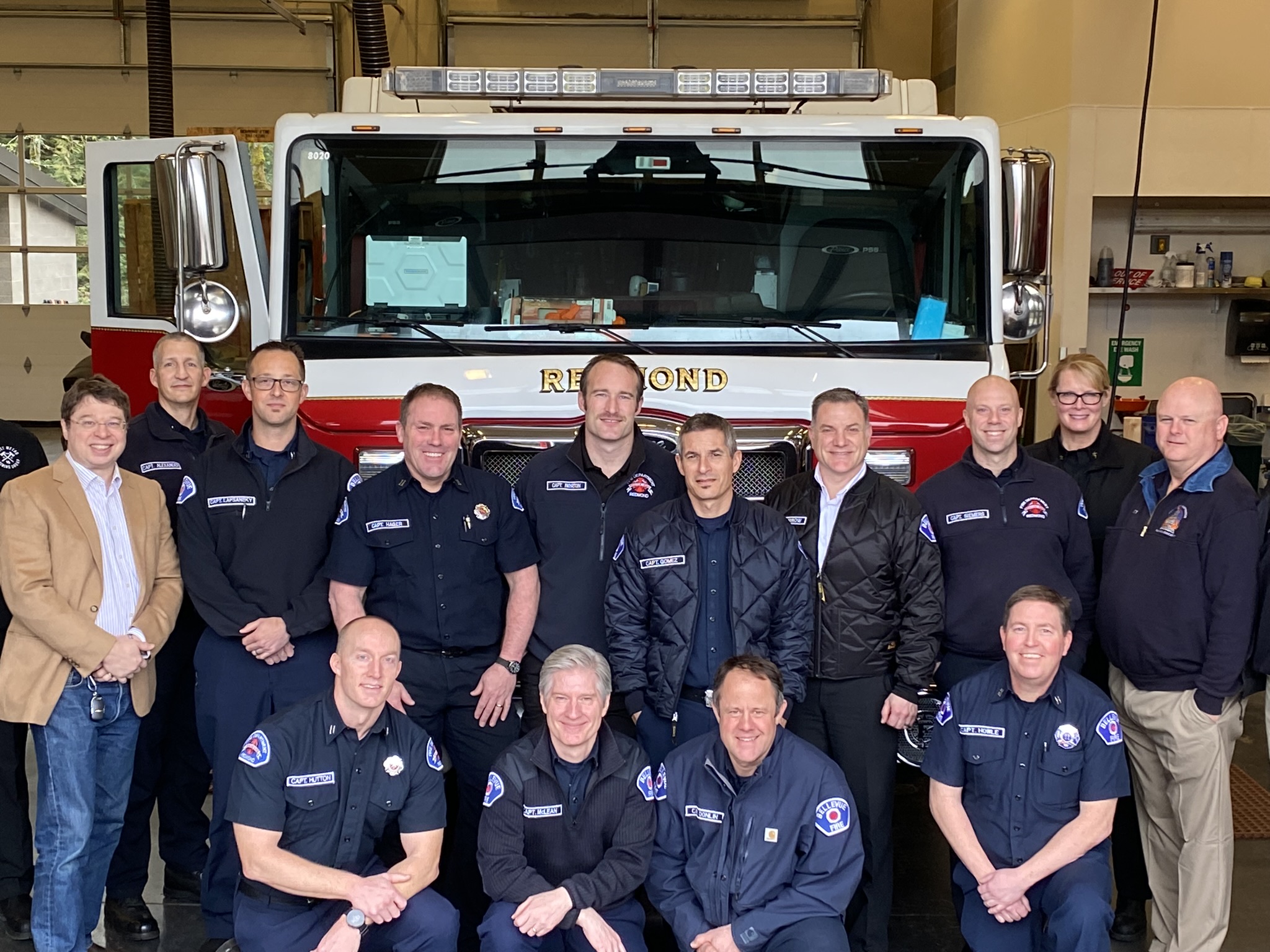
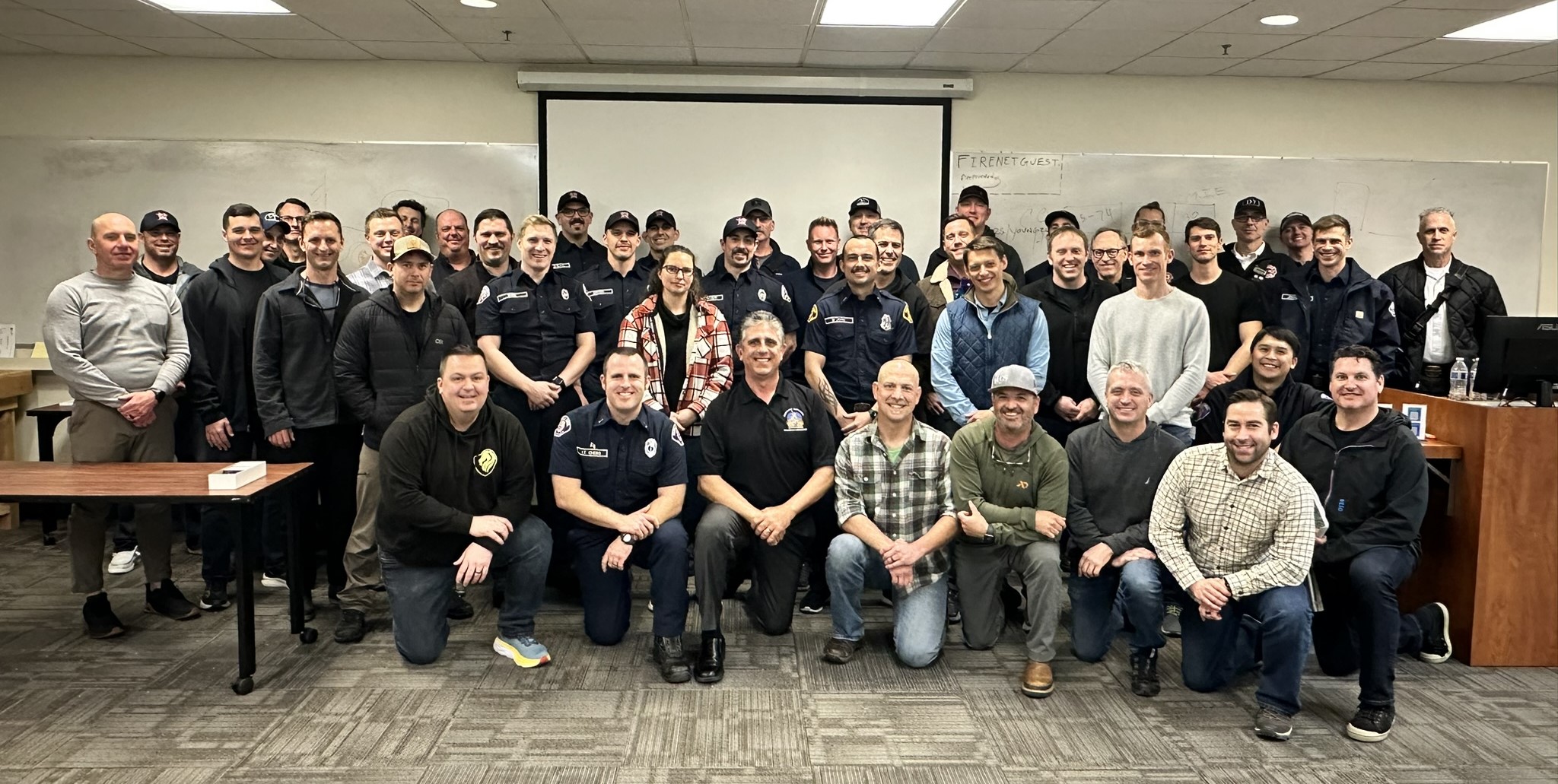
This workshop is now one of our most popular due to demand throughout the United States!
Fire departments everywhere are promoting new chief officers. Commonly a battalion chief or district chief rank, new chief officers struggle significantly. First, they are alone for the first time. Until promoting to chief officer, they have been part of a crew their entire lives. This can be lonely and daunting, challenging their confidence. Second, they are now part of management, wearing a gold badge. This can also change relationships and create instability with an unclear understanding of their new role. Third, they must bridge the Tactical Gap between the task-level crews in the fire stations and the strategic level executive team and fire chief at headquarters. Without proper training, most new chiefs do not know their job, form bad a habits and fall into one of three categories.
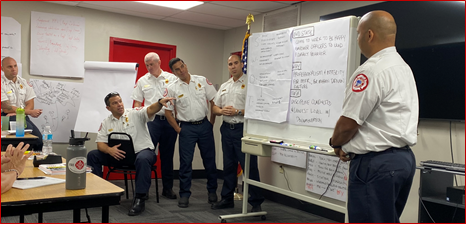
The “Super Captain” stays in his/her comfort zone, at the firehouse. They often care more about still being one of the crew than part of the management team. Often, they promote for the pay, perks and pension, badmouthing headquarters to the crews. This helps no one.
The “Super Chief” is the opposite of the Super Captain whereby they spend all day at headquarters, sucking up to the fire chief and executive staff, hoping for the next promotion. They are often afraid to be in command of a fire and afraid to face the crews, so they spend their time on the next level without ever learning the battalion chief job, for example. This tarnishes credibility as they move rapidly up the ranks.
The “Ghost” hides in his/her office, afraid of getting in trouble with the bosses or looking incompetent to the crews. They simply want to ride off into retirement with a better pension, hoping no one notices. They manage by keyboard, sending emails to everyone and speaking to no one. They are simply taking up space.
Finally, we have the “Warrior” who truly gets it. The Warrior has the respect of both the strategic-level chiefs at headquarters and task-level crews in the fire houses. He/she can run a good fire and understands people. They bring value to everyone they meet. They are simultaneously the ambassador to the fire chief and the advocate to the crews. They tell the crews why a new policy to coming and tell the chiefs above them why it won’t work – but have solutions! They bridge the Tactical Gap as a mediator, moderator, translator, coach, mentor and act as the spine between the head and the arms and legs.
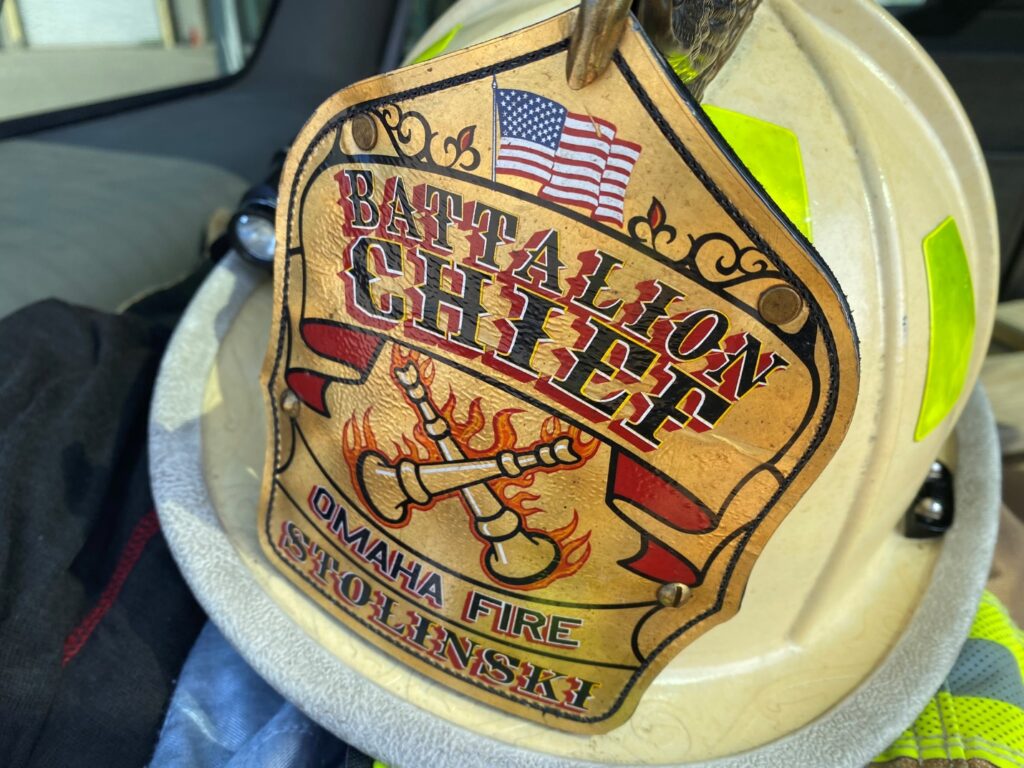
This workshop builds Unicorns!
This training also includes incumbent/aspiring chief officers. Our program is highly specialized and engaging, focusing on the challenges that chief officers face. Topics include, but are not limited to:
- Bridging the Tactical Gap
- Making the move to chief officer
- The 4 Types of battalion chiefs
- Leading leaders without micromanaging
- Horizontal and vertical alignment
- Administrative and operational alignment
- Being the fire chief’s ambassador and crews’ advocate
- Key points to implementing and supporting policy